AN INTERVIEW WITH CANTOR JEFF KLEPPER
Hanukkah approaches, and if you are considering what to give a music lover, look no further than klezmer.
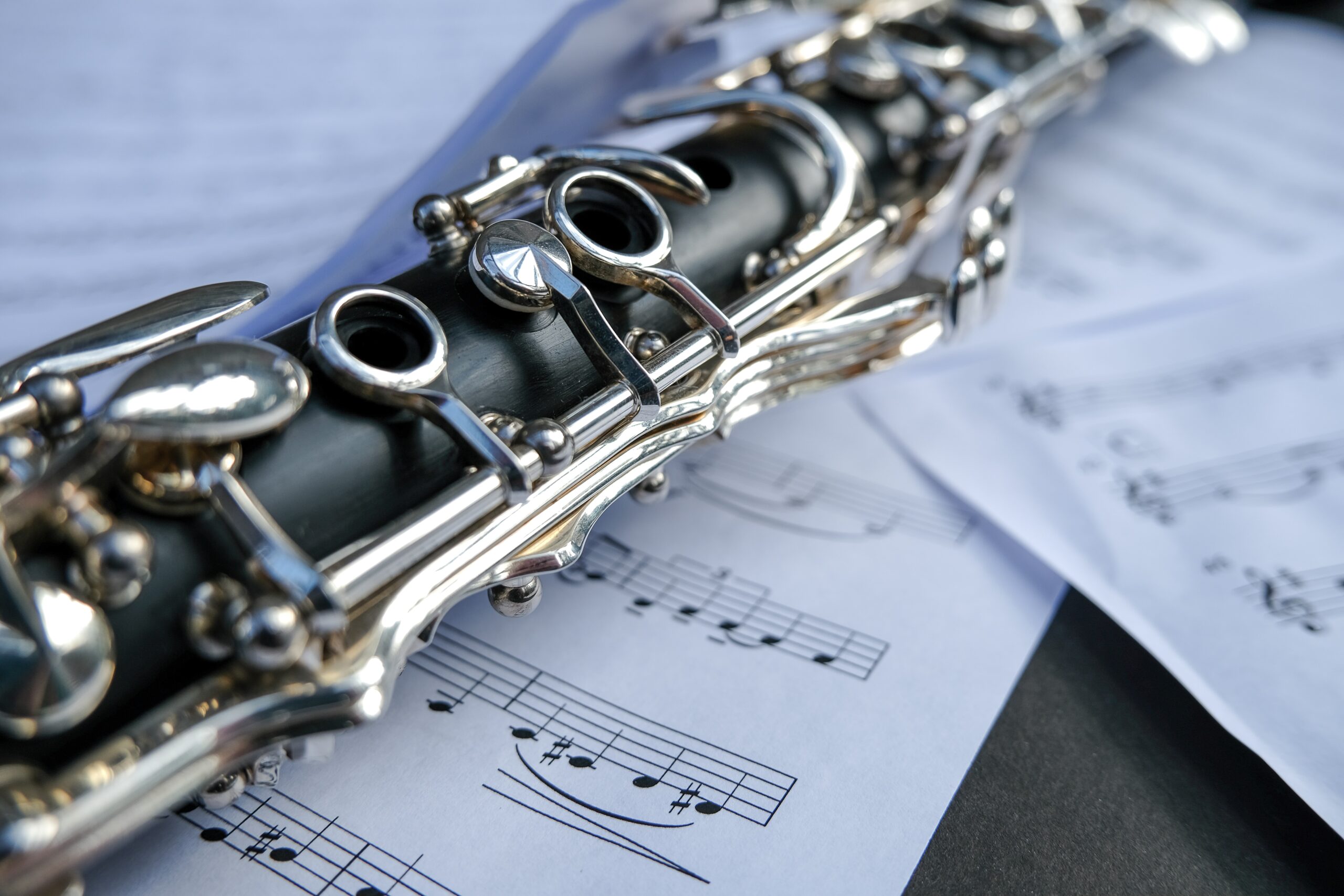
The word “klezmer” translates to “instrument of song,” and klezmer music originated with Ashkenazi Jews in Eastern Europe. It was instrumental and rarely accompanied by singing. Although klezmer is rooted firmly in Jewish tradition, its style has always been eclectic. Klezmer musicians, known as “klezmorim,” used portable instruments such as: clarinets, violins, flutes, accordions and drums. They traveled about Eastern Europe to play at weddings and other celebrations. Romanian, gypsy and Hungarian music influenced the klezmorim during their travels.
From approximately 1880 through 1920, Jewish immigrants from Eastern Europe brought klezmer to the United States. Klezmer blended with American Jazz including the swing sounds of Benny Goodman’s clarinet and Gershwin’s “Rhapsody in Blue.” Assimilating Jews used more “non-Jewish” types of music at celebrations, and klezmer became less popular. However, klezmer has gone through several revival periods, and interest in this unique music form continues to grow.
What accounts for klezmer’s popularity? What is the best way to introduce someone to this wonderful musical form? I discussed these questions with Cantor Jeff Klepper of Temple Sinai in Sharon.
Jeff Klepper became interested in the guitar as a boy because he was “raised in the sixties.” He loved folk music (Pete Seeger) and Rock-and-roll (The Beatles) that came together for him in the sounds of Bob Dylan. His experiences as a Jewish camper inspired him to bring ‘Jewishness’ into his music. He became a cantor in 1980 and obtained a master’s in music. Cantor Klepper has written close to three hundred songs including the hauntingly beautiful “Shalom Rav” which he co-wrote in 1974. He also teaches at the Hebrew College in Newton. He has performed all over the world and was one of the first cantors to use a guitar during a service.
Cantor Klepper attributes klezmer’s huge 1970’s revival to the fact that fans of bluegrass and folk discovered this exciting music form and incorporated it into their own melodies. Klezmer’s eclectic roots allow it to absorb these different influences and still maintain its own identity. Klezmer continues to rise in popularity precisely because it is so malleable and blends with a variety of musical styles.
Cantor Klepper was kind enough to show me nearly twenty different c.d.’s which illustrate his point. Klezmer manifests itself in jazz, gospel, classic, avant garde, blue grass, chamber music and hip hop. An increasing number of young Jewish people now identify with klezmer and use klezmer to express their own Jewish identity.
Klezmer is important because it has evolved in a way that brings many aspects of the Jewish community–and non-Jewish community–together. Cantor Klepper considers klezmer a “freeform” type of music that appeals to Reform, Conservative and Orthodox Jews alike. The universality of klezmer is the “secret of its power.” Its attitude is “adventurous, playful and edgy.” Although klezmer purists maintain the modern-day form is as removed from traditional klezmer as “Riverdance” is from traditional Irish Dance, Cantor Klepper believes the variations in musical style do not detract from Jewish tradition because early klezmer musicians in Eastern Europe were continually absorbing other musical types.
So how do you introduce someone to Klezmer? Cantor Klepper calls Boston a “Klezmer Town,” and two of the best Klezmer bands come from Boston: Klezperanto (which blends Rock and roll, jazz and klezmer) and Klezwoods. Temple Sinai’s Assistant Cantor, Rebecca Khitrik, is a member of Klezwoods, and their c.d., “Oy Yeah” mixes klezmer with Balkan Jazz. Other recommended groups are: The Klezmatics, a Grammy winning group out of New York City and The Andy Statman Quartet. Although YouTube contains thousands of klezmer videos, a klezmer c.d. makes a wonderful gift. These c.d.’s are found in the “Folk/World” section of a store; some stores now even have their own Klezmer section.
Cantor Klepper believes klezmer concerts are a wonderful “g rated” family activity. He suggests people explore “Yidstock” which takes place each summer at the Yiddish Book Store in Amherst, MA. This famous klezmer festival lasts several days and even provides dance lessons. For people interested in learning more, Temple Israel in Boston is running a series of classes on Jewish music in early 2017. (Cantor Klepper and Cantor Khitrik are both teaching.) Call Temple Israel at 1-617-566-3960 for more information.
In conclusion, a klezmer c.d. makes a unique gift, and exposure to klezmer on any level will get one’s toes tapping. Klezmer might be only one of the many musical languages we speak, but it connects modern trends with Jewish tradition and continues to draw more listeners into its ever-evolving melodies.
This article was published in The Jewish Advocate on December 30, 2016.