Co-vid 19 has changed educational norms. School buildings are closed; students of all ages are learning remotely. These alternative forms of learning can be problematic. Not every child has access to a computer or a parent available to help, and children with special needs have their own particular struggles. However, teachers — and parents alike — have also become students as they determine how to convey knowledge through e-learning and apps, visual tutors and video conferences. Teaching is a demanding job; dealing with innovative ways of imparting information makes our teachers greater heroes than before. Older students, who are fortunate enough to be enrolled in higher education, are creating unique ways to gain knowledge and expand their minds.
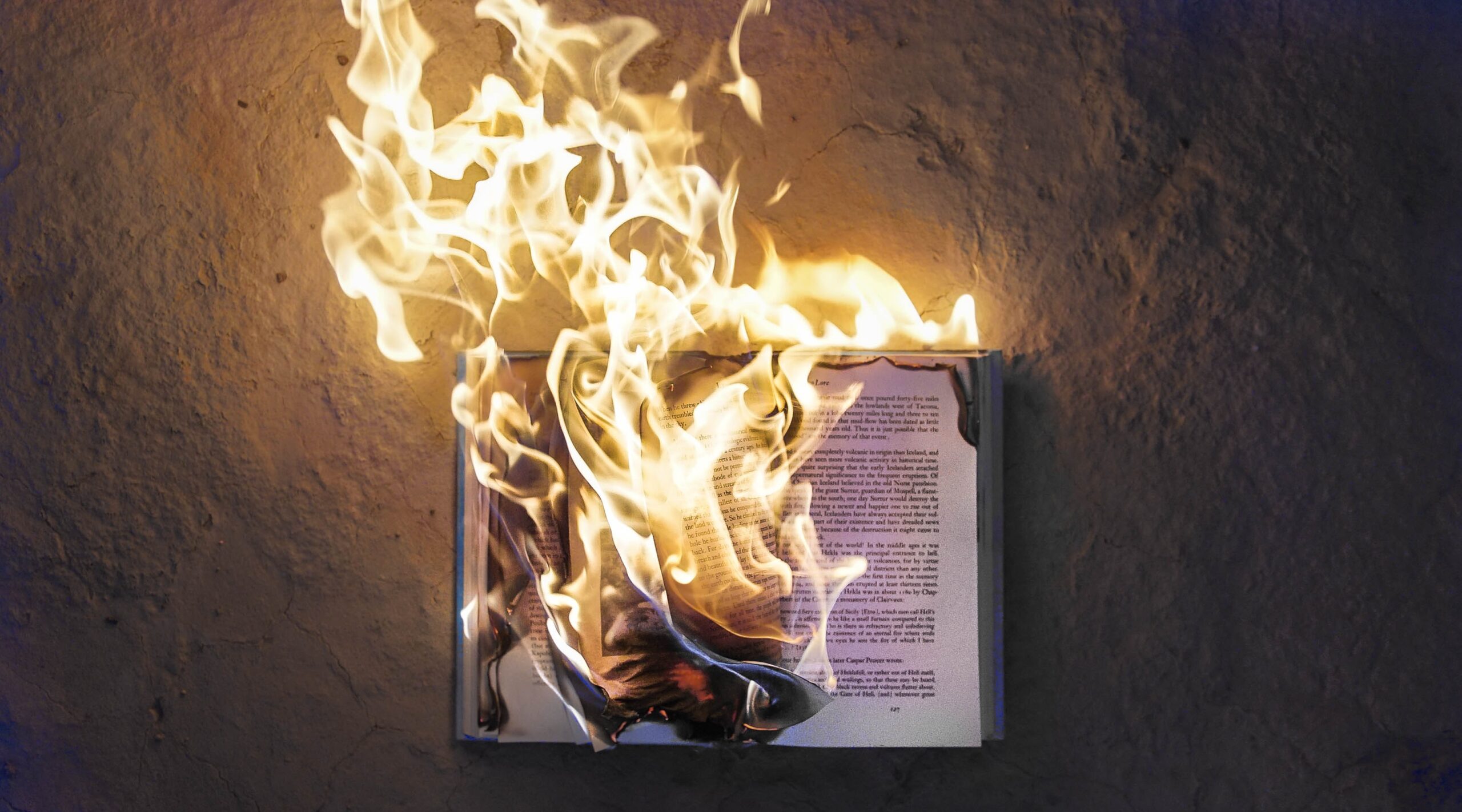
Eighty-seven years ago, Germany also experienced a new approach to education and learning. But a pandemic was not the driving force; university students led the movement. In April 1933, The German Student Union began an “Action Against the Un-German Spirit.” These young people believed universities should promote nationalism and German “values.” The students were determined to rid Germany of all “democratic and Jewish intellectualism.” To achieve this goal, The German Student Union organized book burnings in thirty-four university towns during the months of May and June.
Although the government promoted these events, students were the main actors. They ransacked school libraries and bookstores. Jewish writers were not the only target. Among the several thousand banned authors were: Jack London, Ernest Hemingway, Upton Sinclair and H.G. Wells. Helen Keller was also on the list. In response, she wrote, “History has taught you nothing if you think you can kill ideas.” Heinrich Heine, a German Jewish poet, was another banned writer. In 1820, he showed terrifying foresight when he said, “Where they burn books, they will in the end, burn people.”
These book burnings were not casual affairs. Countless Germans turned out for these exuberant, celebratory events. Bands played; crowds sang “patriotic” songs. People held torch lights and marched. The air filled with sounds of crackling fires and cheers. The smell of gasoline mixed with burnt paper and ink. Each toss of a book showed contempt for the author, his/her ideas, all future writings and anyone who dared read “subversive” words.
Prominent Nazi figures attended these book burnings and gave speeches. In Berlin, Joseph Goebbels, Hitler’s Minister of Propaganda, said, “The era of extreme Jewish intellectualism is now at an end. The breakthrough of the German revolution has again cleared the way on the German path.” Although countless more book burnings took place during the Nazi era, the ones in May and June were particularly intense and received tremendous media coverage. Afterwards, many writers and artists gave up their creative professions or left Germany.
It is a great irony that university students, who should have been striving for self-improvement and expansion of intellect, believed censorship, racial hatred and violence paved the path to truth. Today’s students and teachers are brainstorming new ways of learning, teaching and communicating. In 1933, German citizens linked arms with young people before throwing thousands of books into the fire.
This article was published in The Jewish Advocate in 2020.