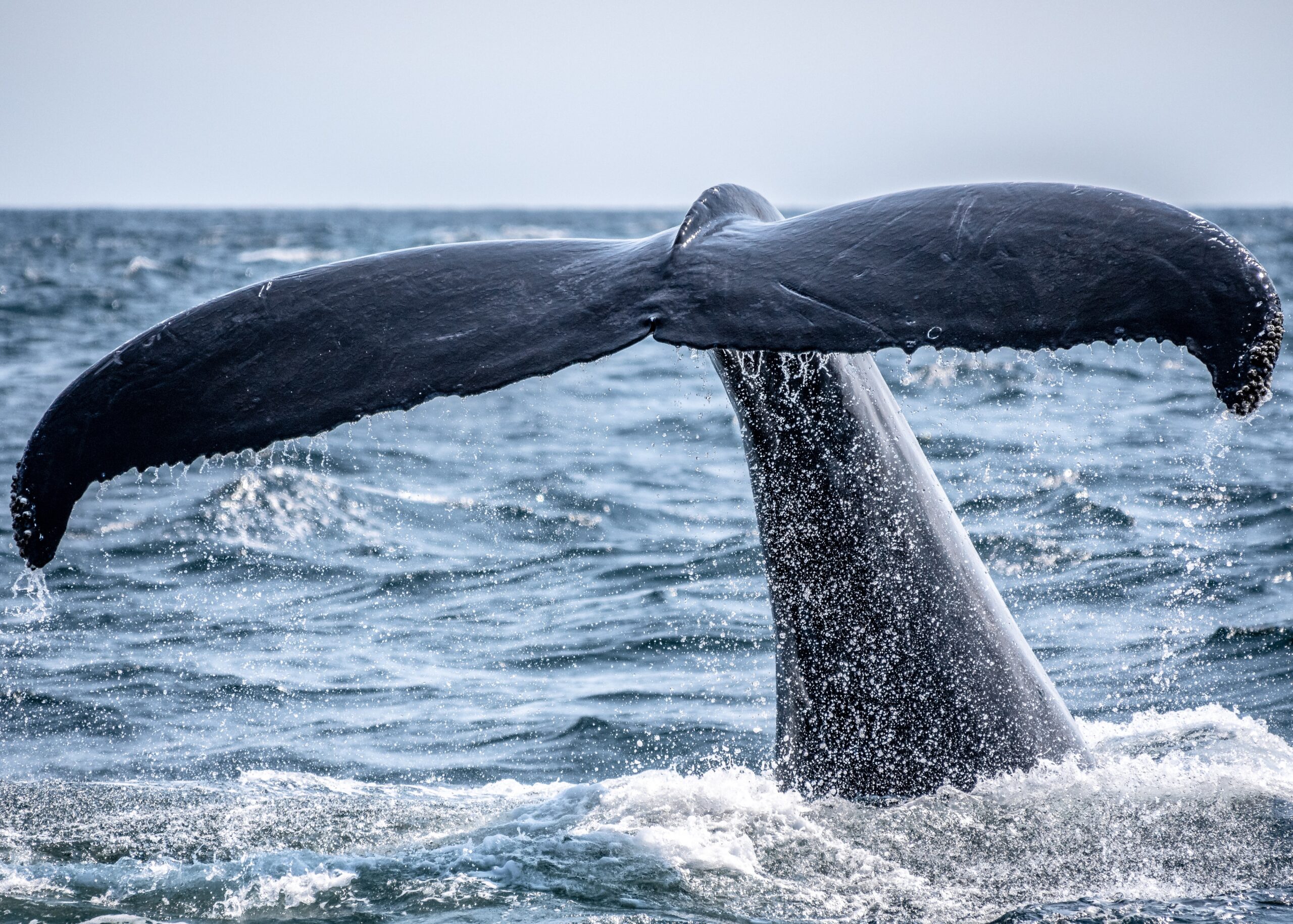
IT’S NOT ALL ABOUT THE WHALE!
When my daughter was nine, she learned The Story of Jonah. Jonah’s experience with the whale fascinated her, and she was filled with questions. Can a person live inside a whale? Did the whale swallow a bed so Jonah could sleep? Did Jonah take a bath after the whale spit him out?
After discussing whales-as-hotels, I asked if she understood the story’s meaning. She did. We need to follow God’s commandments, admit our mistakes and do things better. That was why we read Jonah’s story at Yom Kippur. But my daughter wondered if someone else in the Torah might have set a better example.
Because for Jonah, it was all about the whale.
Again with the whale?
My daughter explained Jonah thought about his mistakes and asked God for forgiveness when he was inside the whale. But later, when Jonah was sitting in the sun after his visit to Ninevah, he acted like a “stinker.”
Perhaps my daughter was correct and we should read about someone else at Yom Kippur.
Consider.
God commanded Jonah, the prophet, to warn the people of Ninevah that God would destroy them unless they mended their evil ways. Did Jonah follow the lessons of “Prophet Basics 101” and obey God’s commandments by traveling to Ninevah?
Absolutely not.
Jonah had no desire to visit a hostile land and help Israel’s enemies. So he headed in the opposite direction and boarded an early version of a Carnival Cruise ship. Instead of day excursions, sunburn and noro virus, Jonah got stormy weather. He believed the sailors were being punished for his earlier disobedience and suggested they save themselves by throwing him overboard.
God kept Jonah from drowning by sending a whale to swallow him up. Now Jonah had time to reflect upon his mistakes, ask for forgiveness and promise to improve his character. Jonah said, “I have been banished from your sight, but I will look again toward your Holy Temple.” Jonah realized we cannot hide from God; nor can we hide from ourselves. And we become better versions of ourselves when we face our flaws and resolve to do better.
And Jonah did do better.
After the whale spit him out, he headed to Ninevah to carry out God’s instructions. Jonah had the gift of persuasion, and the people of Ninevah vowed to change their ways. They were so repentant; they even covered their animals in sack cloth and ashes. (Luckily, Ninevah did not have an ASPCA.)
If Jonah’s story ended there, we could consider him a fine example to follow on Yom Kippur. Unfortunately, as my daughter noticed, the story continued, and Jonah did act like a stinker. He was unhappy with God’s decision to preserve Ninevah, and we can imagine his thoughts.
“Are you kidding me? After everything I’ve been through? I was seasick, waterlogged and spent three days in a whale’s stomach. Have you ever smelled the inside of a whale’s stomach? Not pleasant. I begged God for forgiveness and did as He commanded. And now God is giving nasty Ninevah a pass?”
So, Jonah went off to sulk. He thought he knew more than God and was angry God saved the people of Ninevah. And in response, we want to shout, “Jonah, have you learned nothing? What happened to your humility and understanding of God’s merciful nature? How can you be such an ungrateful grouch?”
No wonder Jonah’s example confused my daughter. Wouldn’t it make more sense to read about someone truly noble and selfless? What about King David? Who can forget the film, “David and Bathsheba”, when Gregory Peck begged God for forgiveness and laid his hands on the Ark of the Covenant? Lightning bolts struck; a monsoon drenched the land. Talk about repentance! What a moment!
But the truth is, Jonah is a good example because, in many ways, he is Everyman.
Jonah’s request for forgiveness might have been sincere, but he mistakenly believed reflection and repentance were for shuttered moments. And how many of us behave the same way? On Yom Kippur, we face our faults with honesty and repent in a communal setting. Then, our determination to change dissipates like air from a balloon. Like Jonah, we turn the experience into a one and done.
The truth is, personal growth is an ongoing process. God does not demand perfection. He knows we’ll make mistakes. What matters is we work on self-improvement throughout the year and not just at Yom Kippur. We can always carve out quiet, reflective times.
This is why we read Jonah’s story. It does not end with “and he lived happily ever after doing exactly as God commanded.” We get the sense Jonah will continue to alternate between self-reflection, obedience, and grousing. Jonah is an effective prophet. He persuades the sailors on the ship. He is a flawed man who takes a step backward, two steps forward and repeats the process. And that’s true for most of us. Our journey, like Jonah’s is never-ending, and like Jonah, we will stumble. It’s easy to identify the flaws of others. Facing our own shortcomings is a greater challenge. Honoring Yom Kippur tradition is crucial. But we can also acknowledge our mistakes and seek repentance any place, any time.
The whale is optional.
This article was published in The Jewish Advocate on October 14, 2019.