TREATING PEOPLE WITH RESPECT
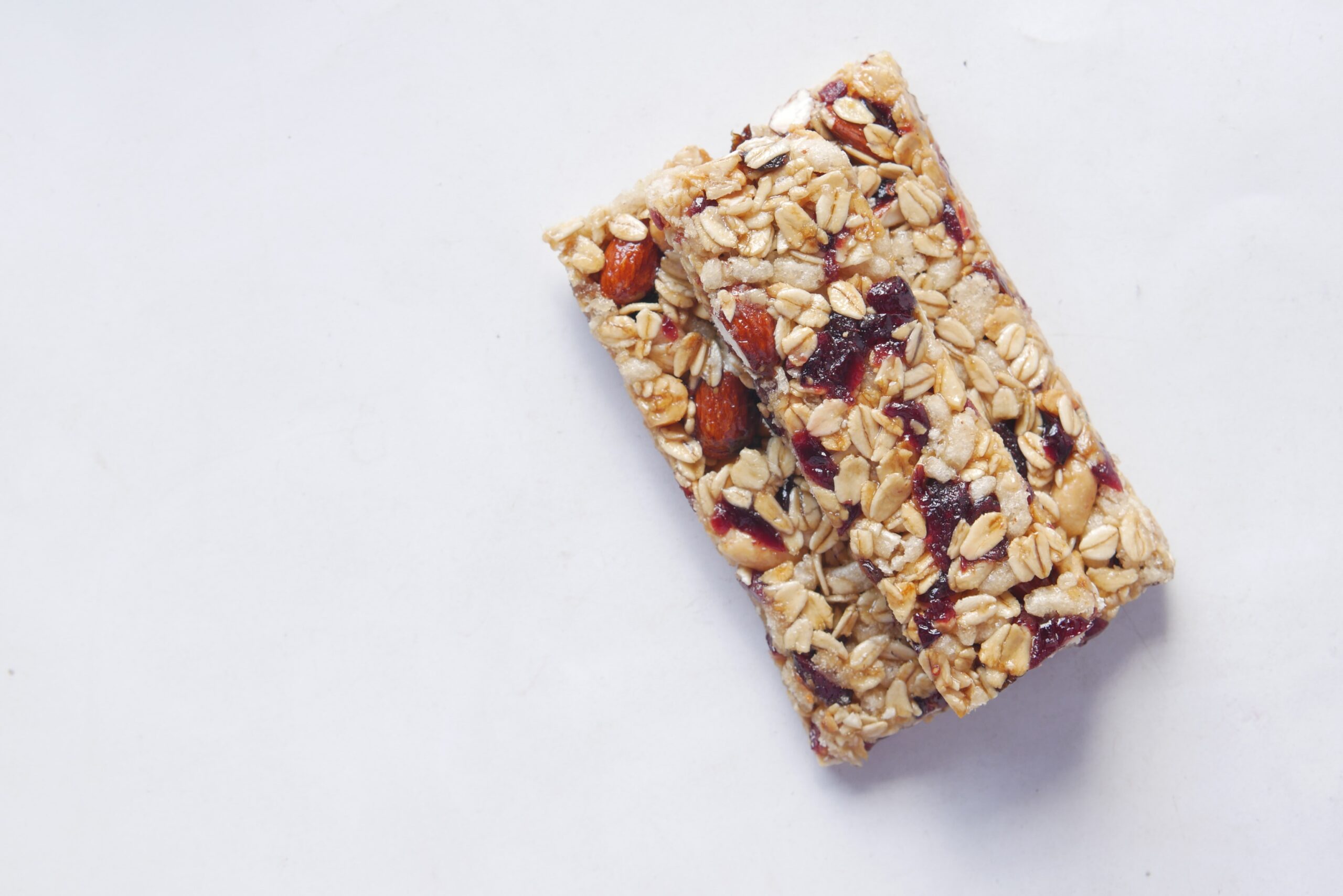
Many years ago, my nephew was disturbed by the conditions of homeless people he saw on his commute to Boston. He purchased several cartons of granola bars to distribute to the homeless. (“I mean, Auntie, who doesn’t like granola bars?”) A few of the intended recipients rejected the bars and requested money. Some asked for a different flavor. Most were appreciative. My nephew’s overall impression was that the fact he spoke directly to these people and looked them in the eye was more valued than the food itself. We jokingly referred to his experience as “The Granola Bar Lesson.”
I was reminded of this lesson when my husband organized a dinner at a Quincy shelter. (The Sharon Lions Club sponsored the dinner.) We went to “Restaurant Depot” (a Costco for the food industry) and lugged out countless cartons including seventy-five pounds of potatoes and eighty pounds of brisket. We dropped off the food at the shelter and returned the next day with other members of the Sharon Lions Club to prepare and serve the dinner. The brisket meal thrilled the residents of the shelter, but so did the way we spoke with them. We chatted and bantered. We looked them in the eye and treated them as human beings. And echoing my nephew’s sentiments, I believe these interactions affected the people as much as the food.
How many of us, upon seeing a homeless person on the sidewalk, ignore him, look the other way, hurry by or even cross the street? We flinch from these individuals like hands leaping from a hot stove. And if we do speak with a homeless person, our words are likely to include criticism or judgment-laden advice.
Most of us understand not every homeless individual is an addict or criminal. Homelessness is caused by many situations including: domestic abuse, illness and loss of employment. Still, we treat the homeless as non-people. These individuals are on shifting sand; we pull the rug out even further with our caustic dismissal. It doesn’t help that many of them “look the part.” Disheveled. Unwashed. Teeth missing. This unpleasant physicality makes it easier for us to think: That is so not me. That could never be me.
I am on one side and they are on the other.
And we use this mental barrier as an excuse to eliminate concepts of dignity and respect from our minds.
Some of the men and women I spoke with at the shelter were educated and articulate. I wanted to learn their stories, but I did not wish to be intrusive. How did these people end up homeless when they seemed so much like me? I am not suggesting only uneducated people belong in the homeless category, but putting up the mental wall is more difficult when we identify with the person who suffers. The fact is, we often have more in common with those in distress than we like to believe. We might not all experience situations that lead to a homeless existence, but are we really so far off? How many setbacks would it take for any of us to end up adrift?
Jewish teaching emphasizes the importance of treating all people with dignity. At the core of Maimonides’ eight levels of charity is the idea that giving isn’t simply about acting with a kind heart. God smiles most upon a charitable act that treats the receiver with respect and does not compromise his dignity. The concept of “K’vod habrioyot” even allows certain Jewish laws to be broken if adherence to those laws puts a person’s dignity at risk. In addition, Judaism considers the act of humiliating someone equal to shedding blood. These Jewish teachings clarify that dignity should never be vital for “us” and unnecessary for “them.”
Unfortunately, the idea that certain people are not worth our attention or respect is ingrained in society and goes far beyond poor treatment of the homeless, the disabled or the elderly. We often shun people who have any kind of problem. Parents, in particular, fall into this trap, and it can manifest itself with subtlety. We are always so sure it will be someone else’s child who has a drug problem, mental health issue or drops out of school. And when trouble happens, that child and his parents become a “them.” Not long ago, I was at a social gathering where one mother brought up her son’s emotional struggles. After an awkward silence, a few members of the group made vague comments directed at the air space above the woman’s head; others stopped looking at her altogether and began their own exclusive conversation. Uncertainty about how to offer a proper response might have contributed to this dynamic; judgment clearly played a part. Suddenly we were “us” and this woman was “them.” The wall went up. Consideration for her dignity flew out the window.
It is important to remind ourselves and our children that everyone deserves the courtesy of being listened to, looked at and talked to. Jews understand what it is like to be ostracized and on the other side. We need to stop thinking in terms of sides and eliminate that mental barrier. Let’s remember “The Granola Bar Lesson” and pay attention to how we treat all people, not just the people who “count.” In doing so, we will set our kids a strong example. I am not suggesting our children should put themselves at risk when attempting to engage another. Our kids need to pay attention to their inner voice, and when it tells them a situation is unsafe, they need to use their common sense. But everyone deserves to be treated with dignity. We should never construct a permanent wall that prevents us from looking directly into another’s eyes. If we believe in only one God, then He is the God for everyone.
This was published in The Jewish Advocate on May 5, 2017.