My childhood Hanukkah memories are a glorious mix of applesauce covered latkes and menorahs bathed in light. Wooden dreidels spun and clattered on the floor. We peeled away golden foil and eagerly bit into chocolate gelt. Hanukkah is a celebration of faith, miracles and courage.
It took great courage for a group of men to triumph over scores of well-trained Greeks. Armed with determination and faith, the Maccabees reclaimed the pillaged Temple and prepared to rededicate it by lighting the menorah. Although the Greeks had defiled most of the oil, the menorah burned for eight nights instead of one. As the dreidel letters indicate: “A Great Miracle Happened Here.”
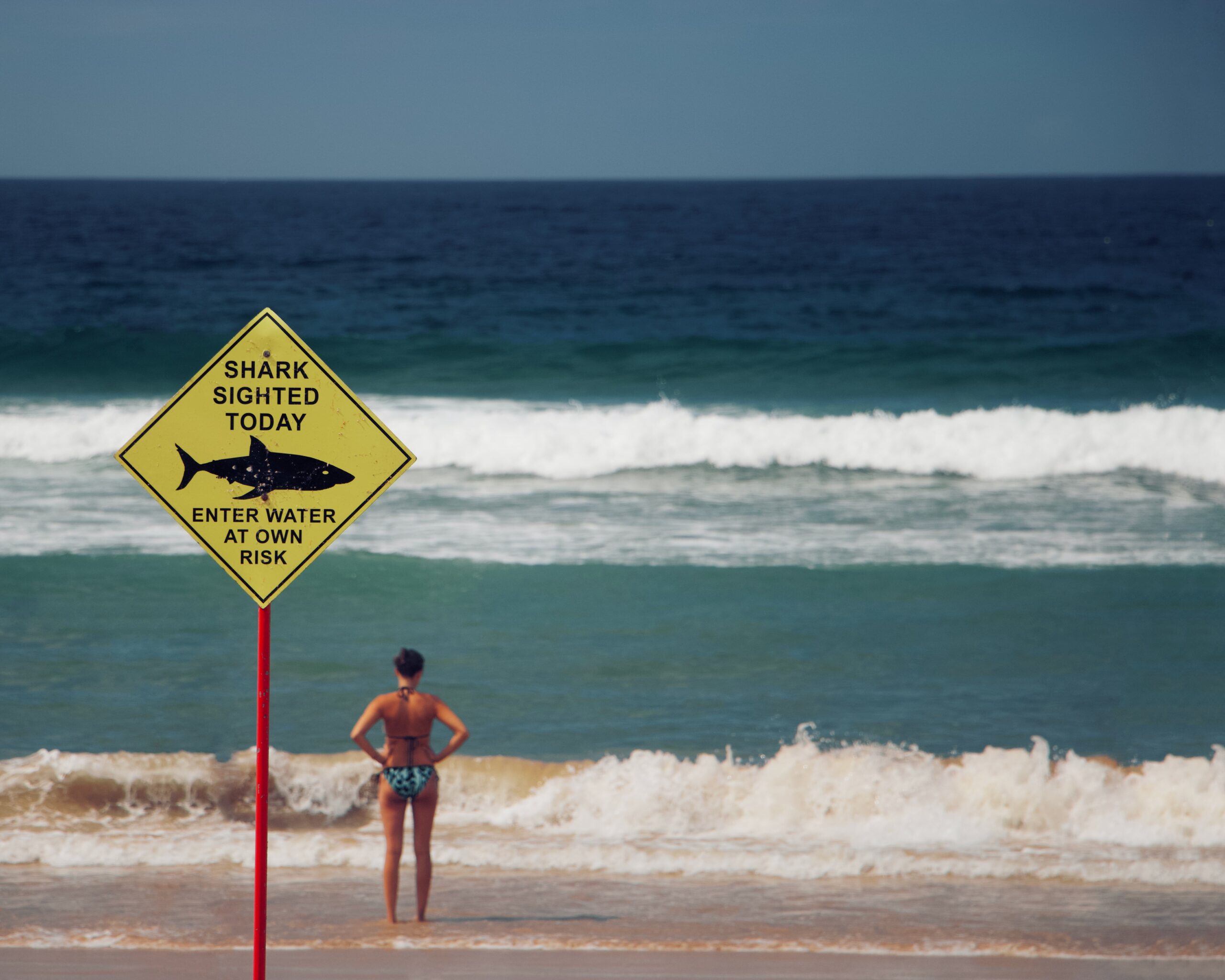
But Hanukkah is also a celebration of risk. The Maccabees placed themselves at great physical risk when they fought the Greeks, and the “risk” aspect of the Hanukkah story typically ends with the Greeks’ defeat. But when the Maccabees used a scant amount of oil to light the menorah, they took a risk of a different kind.
The Maccabees had a choice. They could wait until a fresh batch of oil was prepared and then light the menorah. True, this would mean a delay, but the menorah would burn uninterrupted thereafter. The other choice was to use the existing oil and pray it burned longer than one night. But what if it didn’t? Imagine the slump in morale! The ridicule!
We know the Maccabees’ choice and its result. These brave men once again showed the importance of maintaining courage in a frightening world.
Unfortunately, I suspect most modern-day kids would refuse to light that Temple menorah unless they had a full supply of oil. We are a win/lose society that defines failure as anything less than absolute success. Part of the problem is unsuccessful efforts are difficult to hide, and our children don’t want to appear foolish. Bystanders eagerly whip out phones to record the action, and fingers fly into social media frenzy. Can you imagine what would happen if modern day Maccabees lit the menorah, and it fizzled out? A concerned “friend” would take a photograph of the sputtering menorah and post it on Facebook. The caption below would read: “Maccabees and menorahs? Major fail!”
What about text communication in and among the Maccabees’ social circle? “Did you get Joe’s text about the Maccabees? Won a war but can’t make the menorah stay lit? Can we say train wreck?”
Make no mistake, fear of failure is on the rise. Today’s success is all the rage; yesterday’s achievements are old news. And we cannot place all the blame on our children. Parents are often reluctant to encourage kids to take additional risks. Ironically, parents of the more successful children are often the most fearful. I remember one mother explaining why her son wasn’t trying out for the tennis team. “He’s already on varsity soccer and basketball. What if he ends up on J.V. tennis? It will be so embarrassing!” Another mother refused to allow her academic son to apply to a higher-level college because she wanted his admittance success to be one hundred percent.
Do we, as parents, support and applaud our kids’ efforts even when they come up shorthanded? How many of us think: “If my child doesn’t succeed at fill-in-the-blank, how will I face my friends?” This is another reason I fear modern day Maccabees would not light the menorah. Their mother, Mrs. Maccabee, would discourage her sons from taking that risk. After all, if the menorah didn’t stay lit, people might think she was a bad parent! And with their mother tsk-tsking, their friends ready to ridicule, our modern-day Maccabee brothers would panic and say: “We’d better wait for that new batch of oil, guys. Otherwise, we’ll look like idiots.”
But when kids dive in, they learn and grow, regardless of the outcome of their initial effort. They can rebound and rebuild. They can take a break and try again. Kids who understand the value of risk are less likely to allow the “sure bet” to dictate their actions.
The Maccabees could have taken a week’s vacation to celebrate their victories and returned to light the menorah when it was guaranteed to stay lit. But they didn’t. They took a risk. Hanukkah teaches the value of courage, the importance of faith and the miraculous nature of God. But one of Hanukkah’s most important lessons is that the value of risk is worth its weight in gelt.
This article was published in The Jewish Advocate on December 1, 2017.